A prospect searches “best commercial roofing company near me,” sees a map listing, reads reviews, checks business hours, and calls a provider without visiting a single website. That is not a lost opportunity. With the right zero click search strategy, it is proof that your brand showed up at the exact moment a buyer needed confidence to act.
For small and midsize businesses, zero-click search changes what search engine optimization is expected to deliver. Traffic still matters, especially for high-consideration services and lead generation. But visibility, credibility, calls, directions, reviews, and branded recall now matter just as much. The goal is no longer simply to earn a click. It is to own the decision-making moment.
What Zero-Click Search Means for Your Business
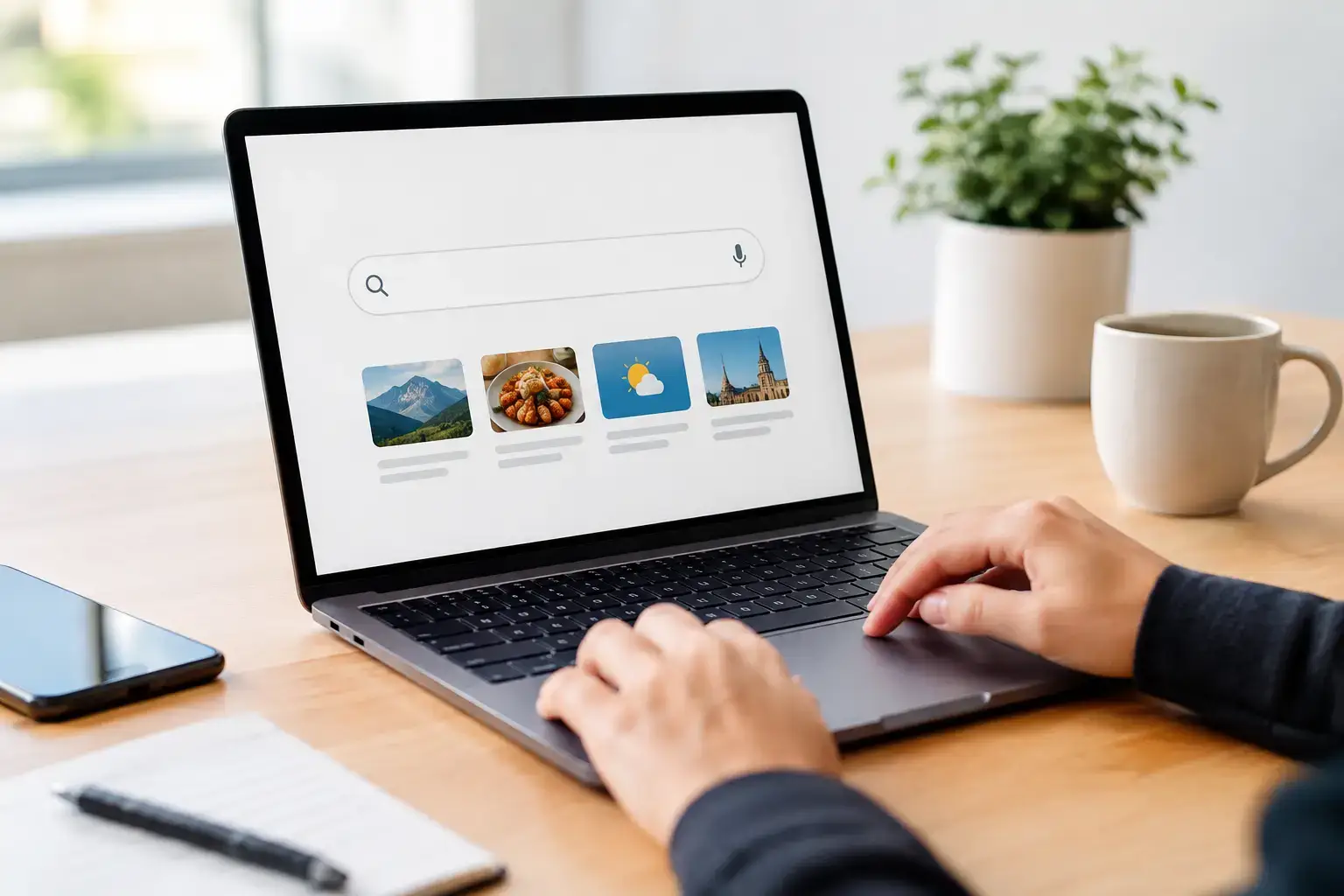
A zero-click search occurs when a person gets enough information directly on a search results page to move forward without clicking through to a website. Google Business Profiles, local map packs, featured snippets, AI-generated answers, product details, knowledge panels, images, and People Also Ask results can all satisfy a search immediately.
For a Houston law firm, that may mean a potential client calls from a local listing after seeing strong reviews and office hours. For a dental office, it may mean a patient uses the appointment button in the business profile. For a B2B service provider, it may mean a decision-maker sees clear proof of expertise in search results, then searches the company name later when the need becomes more urgent.
This shift creates a trade-off. Informational searches may send fewer visitors to your site, which can make traditional organic traffic reports look less impressive. Yet a well-managed search presence can generate more qualified actions. If your answer appears first, your reputation is credible, and your contact options are frictionless, zero-click behavior can shorten the path to a lead.
Build a Zero Click Search Strategy Around Buyer Intent
The strongest zero click search strategy starts with one question: what does a customer need to know before they contact you? Do not build content around keywords alone. Build it around the decisions people make.
A local service customer may need to know whether you serve their neighborhood, whether you handle an urgent issue, how quickly you respond, and whether other customers trust you. A business buyer may need to understand your capabilities, process, industry experience, and the business outcome your service supports.
Your search presence should answer those questions consistently across your website, local profile, service pages, reviews, and supporting content.
Make Your Google Business Profile a Lead Asset
For local and regional companies, your Google Business Profile is often the most visible part of your digital presence. Treating it as a one-time setup leaves valuable demand on the table.
Keep your name, address, phone number, website, hours, service areas, and primary category accurate. Add current photos that show real people, locations, completed work, and the quality customers can expect. Write a business description that explains what you do, who you help, and why buyers should choose you.
Reviews deserve the same attention. A steady flow of detailed, authentic reviews creates the social proof that pushes a searcher from comparison to contact. Respond professionally to both positive and negative feedback. Your response is not just for the reviewer. It is visible evidence of how your business handles accountability.
Create Pages That Search Engines Can Quote
Search results increasingly pull concise answers from well-structured pages. That does not mean your website should become a collection of shallow definitions. It means every important service page should communicate with precision.
Use direct headings that reflect real customer questions. Follow them with clear answers, then provide the context that proves your expertise. A plumbing company might address emergency availability, common repair signs, pricing factors, and service areas. A marketing agency might explain what is included in SEO, how reporting works, and which outcomes clients should reasonably expect.
Structured information helps, too. Use clear page titles, descriptive headings, relevant schema markup, FAQ sections where questions truly warrant answers, and location pages that provide unique value. Avoid creating near-identical pages for every city. Search engines and customers can spot thin location content quickly.
Strengthen the Signals Behind the Answer
Search engines are more likely to surface brands they can understand and trust. Consistency is part of that trust.
Make sure your business information matches across major directories and social profiles. Use the same core description of your services. Publish credible author or company information. Keep your site technically sound, mobile-friendly, and fast enough that prospects who do click are not greeted by a frustrating experience.
Your brand also needs to look established wherever it appears. A polished identity, professional imagery, and consistent messaging reinforce the same conclusion: this business is prepared, capable, and worth contacting.
Turn Search Visibility Into Measurable Actions
Zero-click visibility should not be treated as vanity exposure. It needs a performance plan.
Start by identifying the actions that matter most to your business. For many local companies, that includes phone calls, direction requests, form submissions, booking requests, and messages from the business profile. For professional services, it may include consultation requests, branded searches, engaged visitors, and return visits from decision-makers.
Track performance in context. If organic sessions dip while profile calls, map actions, and qualified leads rise, the search program may be working better than the traffic chart suggests. The metric that deserves attention is not just how many people landed on a page. It is how many meaningful conversations your visibility created.
This is where attribution requires judgment. A buyer may first encounter your company in a featured result, read reviews days later, and submit a form after searching your brand directly. No single dashboard tells that full story perfectly. Combine search data with call tracking, CRM notes, lead-source questions, and sales feedback to see what is driving demand.
Know When a Click Still Matters
A zero-click strategy should complement your website, not replace it. Some decisions require more depth than a search result can provide.
A prospective client comparing complex legal services, enterprise software, commercial construction, financial planning, or a high-value marketing engagement will likely need case studies, process details, proof of results, and a strong conversion path. Your website is where you control that narrative.
The smart approach is to match the experience to the search. Give quick-answer searchers the facts they need. Give high-intent visitors compelling reasons to continue: clear service positioning, evidence of expertise, relevant examples, and an easy way to start a conversation.
Paid search also has a role when competition is intense or speed matters. Organic visibility builds durable authority, while paid campaigns can place your offer in front of ready-to-act audiences. The right mix depends on your market, sales cycle, margin, and growth goals.
Make Every Search Result Work Harder
Search is no longer limited to ten blue links. Your customers are making fast judgments from map listings, review stars, answer boxes, images, and brand mentions before they ever reach a homepage. Businesses that only measure clicks will miss a growing share of that influence.
WiseX3 helps businesses bring SEO, brand presentation, conversion-ready websites, and performance tracking into one focused growth program. The work is not about chasing every search feature. It is about showing up with the right answer, the right proof, and the right next step when demand is already in motion.
Your next customer may not click first. Make sure they still find a reason to choose you.